

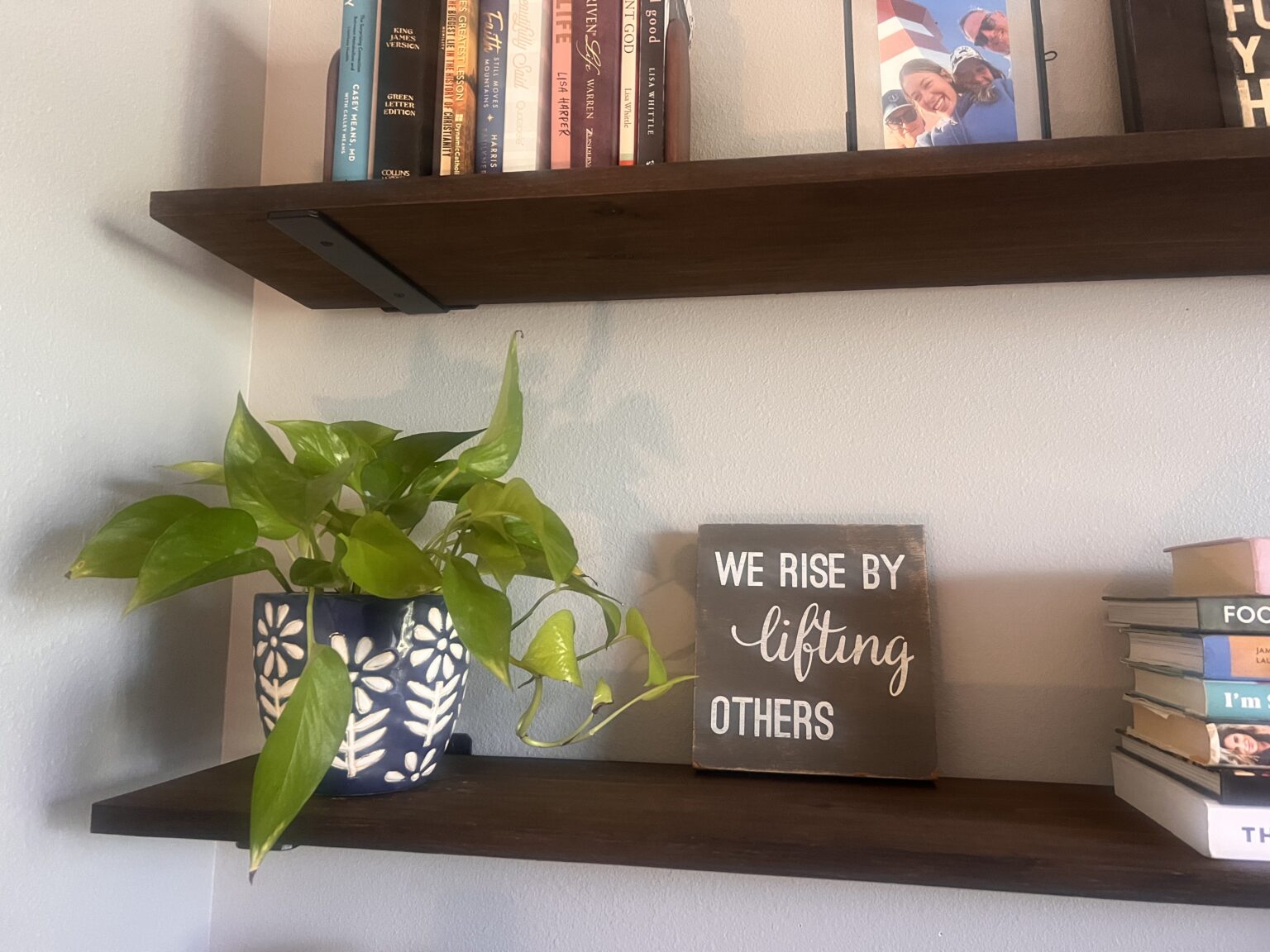
Bringing indoor plants into your home does more than add beauty — it supports cleaner air, reduces stress, and creates a calming environment that promotes overall wellness. If you’re looking for simple, natural ways to improve your home’s health, houseplants are an easy and affordable place to start.
Let’s explore how indoor plants improve air quality, the best plants to choose, how to care for them, and what else you should know.
Do Indoor Plants Improve Air Quality?
Absolutely! Indoor plants can help improve air quality in several ways:
1. They Absorb Carbon Dioxide and Release Oxygen
Through photosynthesis, plants convert carbon dioxide into oxygen, contributing to fresher indoor air.
2. They Help Reduce Certain Indoor Pollutants
A well-known study from NASA, often referred to as the Clean Air Study, found that some houseplants may help remove small amounts of airborne toxins like formaldehyde, benzene, and trichloroethylene.
While plants alone won’t replace proper ventilation or air filtration systems, they can support a healthier indoor environment when combined with good airflow and regular cleaning.
3. They Increase Humidity
Plants release moisture through a process called transpiration, which can slightly increase indoor humidity — helpful in dry climates or during winter months.
Other Benefits of Indoor Plants
Even more…beyond air quality, indoor plants offer meaningful wellness benefits:
- Reduce stress and anxiety
- Boost mood and productivity
- Enhance focus and creativity
- Support recovery and healing environments
- Encourage mindfulness and slower living
- Brings nature into your house
Research shows that simply being around greenery can lower cortisol levels and support mental clarity — making plants especially beneficial in home offices, bedrooms, and living spaces.
Best Indoor Plants for Air Quality and Easy Care
If you’re new to houseplants or want low-maintenance options, here are some excellent choices:
🌿 Snake Plant (Sansevieria)
Also known as Dracaena trifasciata
- Extremely low maintenance
- Tolerates low light
- Releases oxygen at night
- Requires infrequent watering
🌿 Peace Lily
- Beautiful white blooms
- Prefers medium to low light
- Helps reduce airborne mold spores
- Likes slightly moist soil
🌿 Spider Plant
- Great for beginners
- Pet-friendly
- Thrives in indirect light
- Produces “baby” offshoots easily
🌿 Pothos
- Very forgiving
- Grows in various light conditions
- Trails beautifully on shelves
🌿 Rubber Plant
- Bold, glossy leaves
- Prefers bright, indirect light
- Helps with indoor air freshness
How to Care for Indoor Plants
For the record, I am not a green thumb, but most of these are easy to care for. One of the biggest mistakes people make is overwatering. Here are simple care guidelines:
Light
Most indoor plants prefer bright, indirect light. South-facing windows provide strong light, while north-facing windows are softer.
Water
- Water only when the top 1–2 inches of soil feel dry.
- Ensure pots have drainage holes.
- Avoid letting plants sit in standing water.
Soil and Drainage
Use quality indoor potting mix and repot when roots become crowded.
Dust the Leaves
Dust can block sunlight and reduce photosynthesis. Wipe leaves gently with a damp cloth every few weeks.
Rotate Your Plants
Turning plants occasionally helps them grow evenly toward the light.
How Many Plants Do You Need?
While viral headlines sometimes suggest you need dozens of plants to significantly impact air toxins, even a few well-placed plants can improve the feeling of freshness in a room and support humidity levels.
A good starting point:
- 1–2 plants per small room
- Larger plants in open living areas
- Smaller plants in bedrooms or bathrooms
A Balanced Perspective on Air Quality
Plants are supportive — but they work best alongside:
- Proper ventilation
- Opening windows daily when possible
- Regular HVAC filter changes
- Air purifiers if needed
- Low-toxicity cleaning products
- Reducing synthetic fragrances
Think of indoor plants as part of a whole-home wellness approach.
Wellness Grows at Home
Indoor plants remind us to slow down, which is the key to a healthier life. They require light, care, attention, and patience — just like we do. Adding greenery to your home isn’t just about cleaner air…it’s about creating a space that feels alive, grounded, and supportive of your wellbeing.
Even one plant can shift the energy of a room. Promise.
Start small. Care consistently. Let wellness grow. 🌿
About Kelley Ranaudo
Kelley Ranaudo is a health and wellness educator passionate about helping individuals and families create healthier lives from the inside out. Through education, coaching, speaking, and content creation, she simplifies complex health topics into practical, sustainable habits that fit real life. Her work focuses on empowering people to take small, consistent actions — in their homes, workplaces, and daily routines — that lead to lasting well-being.

As a mom, I understand the struggles of balancing life. I'm here to help you thrive in health, fitness, and faith. Let’s walk this path together and embrace a life enriched by wellness and inspiration.
Get Sunday Courage →